









General
Acclimatisation of Oak
A crucial factor to ensure stability and longevity
23rd July 2024
Oak continually responds to its environment, taking up or releasing moisture until it reaches a balance with the surrounding air. When oak moves from one environment to another, such as from our yard to a joiner’s workshop or a building site, it will gain or lose moisture and expand or contract as it adjusts. Allowing it to acclimatise before it is machined, fixed or finished means more of this movement happens before installation rather than after.
Start with the right oak
Acclimatisation is the final adjustment, not a substitute for choosing the right form of oak. It works when the timber is already close to the moisture content it will settle at in its final environment.
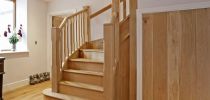
Kiln dried oak (Aura Oak) is supplied at 10–15% moisture content. In a heated interior, oak settles at around 7–10%, so acclimatising it on site before fitting is especially important for staircases, flooring, furniture and fitted joinery.
Air dried oak (Evara Oak) is supplied at 16–23% moisture content, close to outdoor conditions, so it suits external joinery. It should not be used indoors in heated environments, because no reasonable acclimatisation period will dry it to interior levels.
Fresh sawn oak (Verde Oak) is designed to season in situ, and its shrinkage is allowed for in the design of the frame, so it is not acclimatised before use.
How to acclimatise oak
Wait until the building is ready. Interior oak should not be delivered until wet trades such as plastering and screeding are finished, the building is weathertight, and the heating is running. Kiln dried oak stored in a damp building will take up moisture and swell, then shrink again once the heating is turned on.
Store it where it will be used. Acclimatise the oak in the room where it will be installed, or in conditions as close to that as possible.
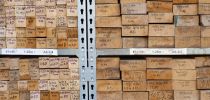
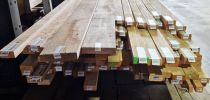
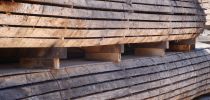
Stack it properly. Lay the timber flat on level bearers, off the floor, with sticks between the boards so that air can circulate around every face. Remove any wrapping that could trap moisture.
Allow enough time. The time needed depends on the thickness of the timber and how different its moisture content is from its new surroundings. Thicker sections take longer.
Check with a moisture meter. Rather than relying on a set number of days, check the moisture content of the timber and compare it with the level expected in its final environment.

External oak
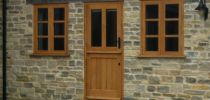
Air dried oak is already close to outdoor moisture levels, so it needs less acclimatisation. It should still be stored flat, under cover, off the ground and with good ventilation before installation. Apply the finish to all faces before fitting.
Movement after installation
Acclimatisation reduces movement after installation, but it can’t stop oak responding to seasonal changes in humidity. Good design, correct fixing and a suitable finish all help oak perform well over its service life. Read more in our article Movement in Oak.

