






A world first for a national icon Portsmouth, Hampshire
HMS Victory: The Big Repair
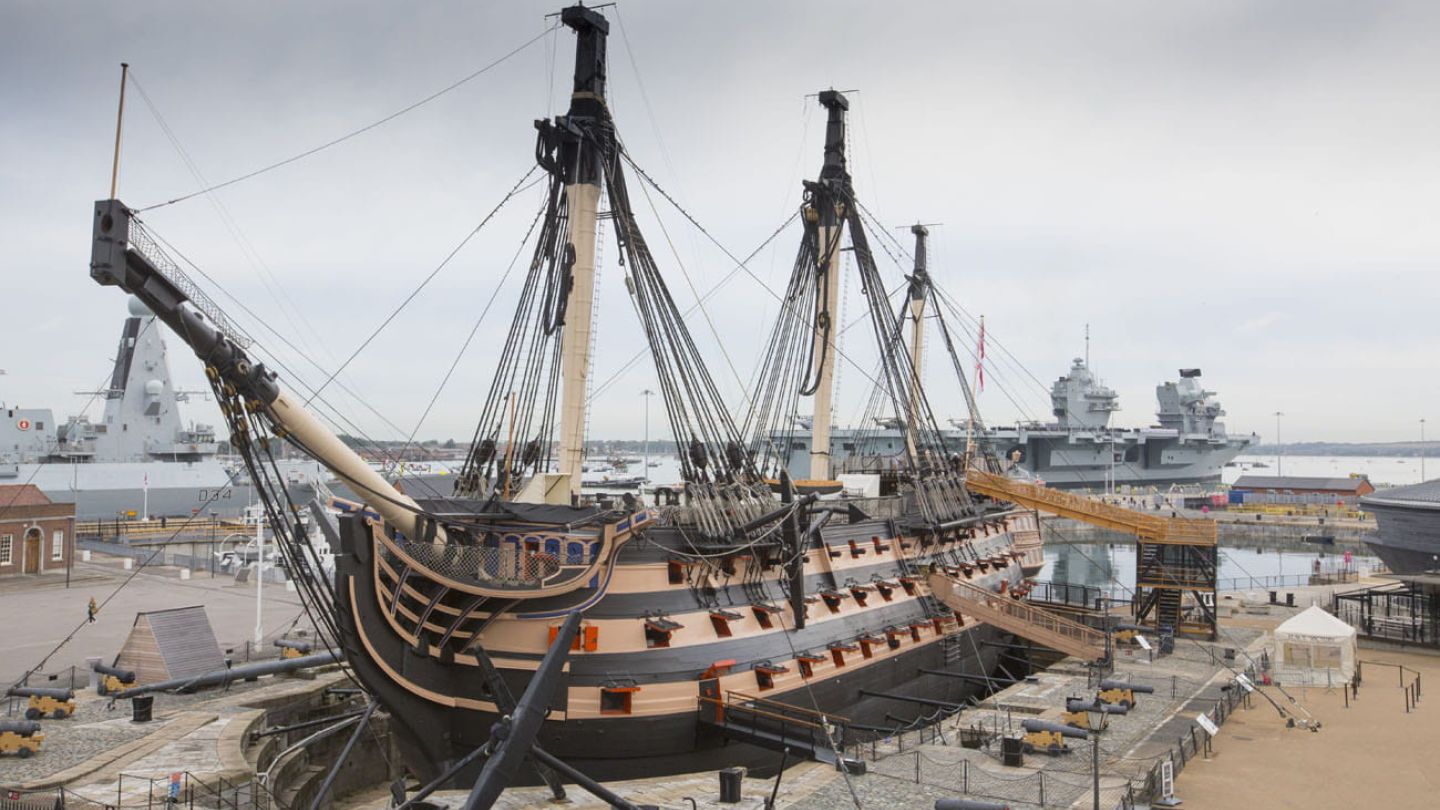
by Royal Navy MuseumsHMS Victory, Lord Nelson's flagship at Trafalgar, has become the first project in the world certified under PEFC's new Project Sourcing Standard. PEFC UK confirmed the certificate on 6 November 2026, describing it as both a UK first and a global first.
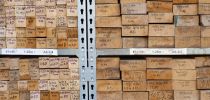
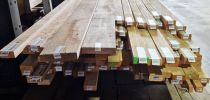
As a specialist oak supplier and a member of the HMS Victory timber supply framework, we are supplying PEFC certified oak for the ship's restoration. This case study explains the project, why the timber matters, and the part we are proud to play in keeping Victory standing for the next half century.
Featured product:
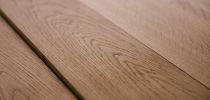
Evara (AD) Oak Evara (AD), Sterling (Prime) Grade

The ship
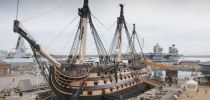
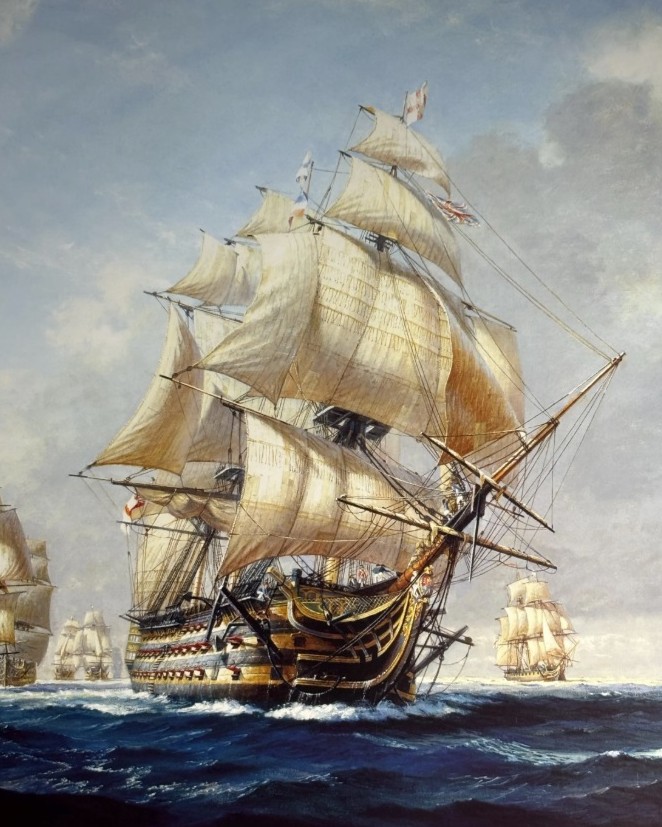
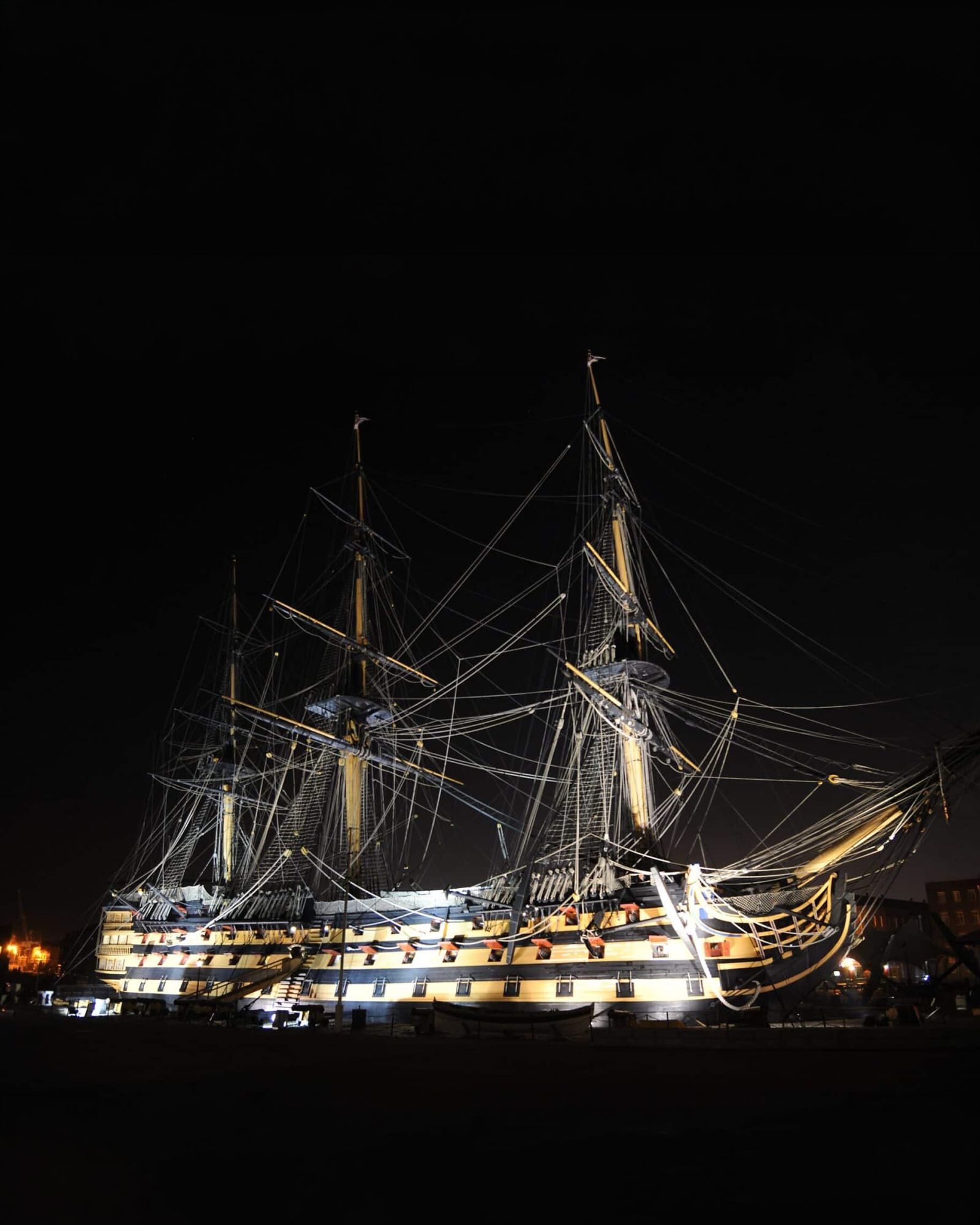
Work began on HMS Victory in 1759 and she was launched in 1765. Today she is the world's oldest commissioned warship, kept at Portsmouth Historic Dockyard by Royal Navy Museums.
Around 6,000 trees went into her original construction, almost all of them English oak. Rigging her took 26 miles of rope and 768 pulley blocks.
On 21 October 1805 she led the Royal Navy to victory at Trafalgar. The battle removed the greatest threat to Britain's security in two centuries and secured control of the seas for more than a hundred years, though it cost Nelson his life. Victory has since undergone five major repairs, and she had already been almost completely rebuilt by the time of the battle.
The Big Repair
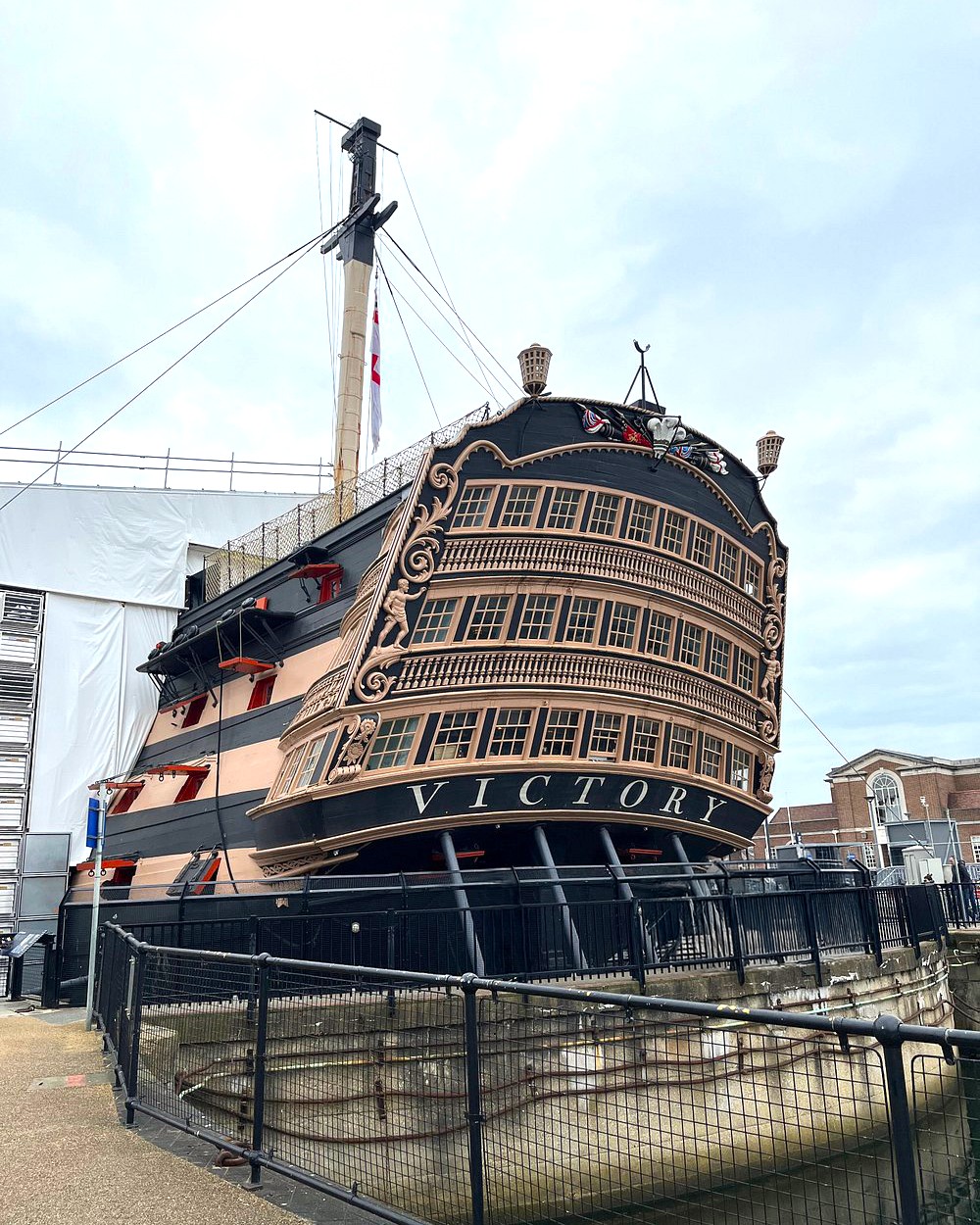
HMS Victory: The Big Repair is a £42 million, decade-long conservation programme, due to finish in 2033. Its aim is to let Victory go 50 years between major repairs.
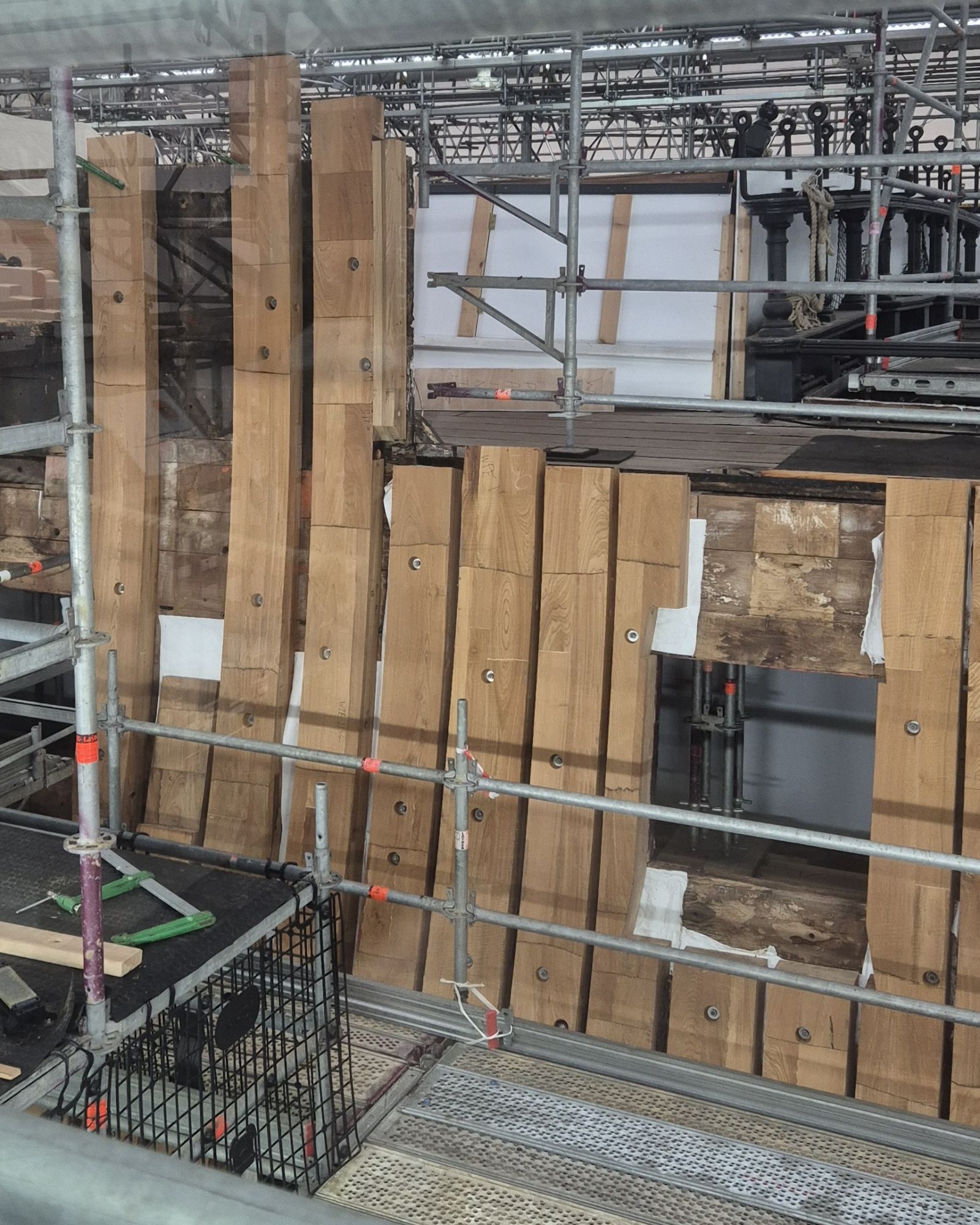
The scale of the task became clear when the hull survey began in 2022. A thin skin of paint and filler had hidden planking on the starboard side that was rotten right through. Andrew Baines, then project director, said the shipwrights found material "much closer to potting compost" than timber. Much of the work from the 1980s restoration had to be stripped out after decades of exposure to wind and rain.
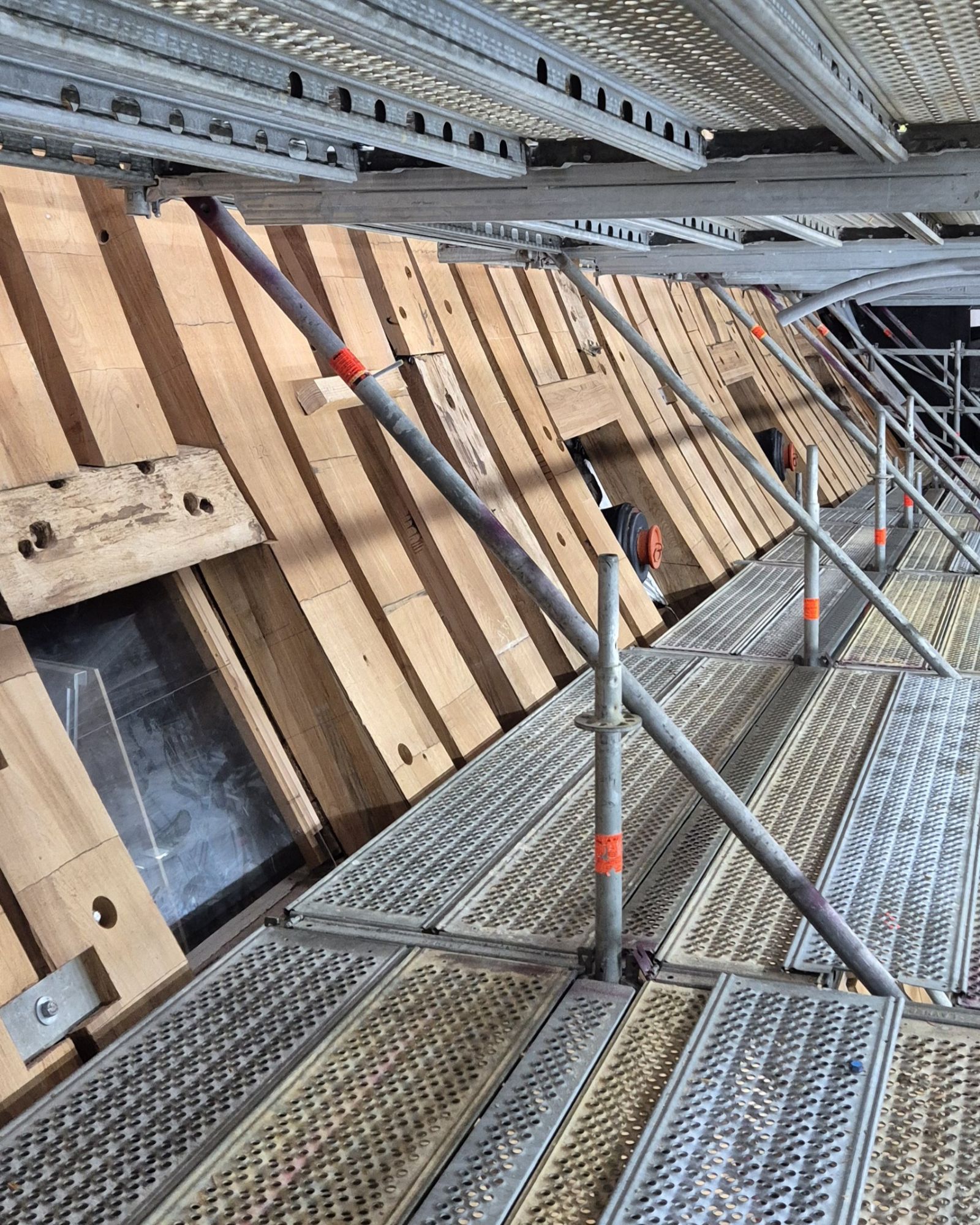
Scaffolding now surrounds the ship, which has let her dry out more than at any point in her history and allows work to continue in all weathers. The team has now fitted the 100th new futtock, one of the oak ribs at the heart of the frame, and 16 shipwrights carved their names into it. The remaining masts are coming down, opening up parts of the ship last seen by the 18th-century shipwrights who built her.
Why French oak?
Much of the replacement oak comes from France, Britain's old adversary at Trafalgar. Project manager Simon Williams admitted the irony but said it was not unusual: the Royal Navy has always looked abroad to keep its ships supplied.
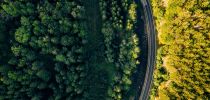
The reason is forest management. In the 17th century France set aside large forests specifically for shipbuilding, and Napoleon later ordered further planting. The result is well-managed oak woodland on a scale that lets the project be very selective about quality. Maritime historian Dan Snow noted that the right type of oak is simply very hard to source in the UK.
Nelson himself would have understood. After visiting the Forest of Dean in 1802, he wrote a report calling its condition deplorable and urged the Crown to plant more oak for shipbuilding. Deputy director Patrizia Pierazzo has said the team likes to think Nelson would have approved of the best, most sustainable oak being used.
The standard required is higher than in 1765, too. Victory needs oak of a much better grade than she was originally built with if she is to go half a century between major repairs.
A world-first certification
In July 2025 the project committed to PEFC certification, so that every piece of oak could be shown to come from well-managed forests. That decision has now made Victory the first project anywhere certified under PEFC's new Project Sourcing Standard.
The standard brings all the timber across a defined project under a single certificate and management system. A PEFC-recognised certification body audits it during the work and again at completion. To pass at the end, at least 70% of the forest-based material must be PEFC certified, and every installed component must contain at least 70% certified content. Suppliers of timber within the project's scope must hold their own chain of custody certificate.
Victory helped shape the rules. She was one of two pilot sites that trialled the standard, which PEFC developed over 18 months to replace guidance from 2014. Unlike the old rules, the new standard lets certified projects carry PEFC branding from the first audit rather than only once the work is finished.
Our role: certified oak, chosen with care
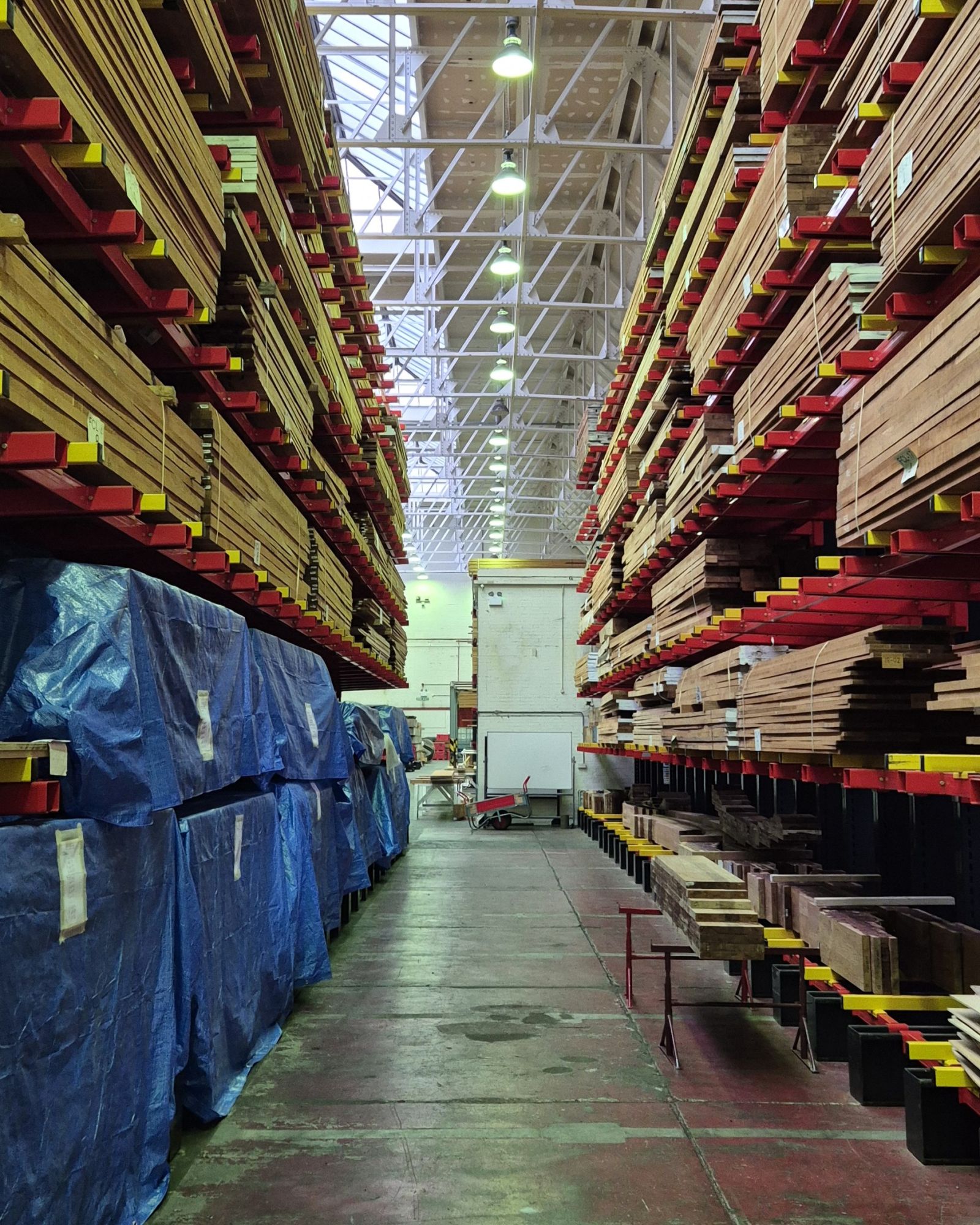
We were appointed to the HMS Victory timber supply framework in 2024, and we are supplying PEFC certified oak for the restoration. The framework covers the outer planking that is replacing the rotten hull, as well as the curved compass timber needed for the ship's knees and beams.
Oak is our specialism, and this project asks a great deal of it. Shipbuilding-grade oak has to be long, straight-grained and free from defects, and compass timber must follow the natural curve of the tree. Selecting it takes experience: knowing which forests produce the right trees, how to grade each log, and how to match timber to the shipwrights' exact requirements.
Certification is just as important as quality. Because we hold PEFC chain of custody certification, every piece of oak we supply can be traced back to sustainably managed forests, where regeneration and environmental impact are carefully controlled. That traceability is what allows our timber to count towards the 70% the project must reach at completion.
We backed the project's decision to specify certified material from the start. Choosing PEFC oak in a heritage setting sends a clear message about accountability and long-term thinking, and it raises the bar for responsible sourcing in both conservation and construction.
A once-in-a-lifetime project
Few timber suppliers ever get the chance to work on a ship like Victory. Knowing that oak we selected will form part of her hull for the next 50 years, and be seen by millions of visitors, is something our whole team is immensely proud of.
We congratulate Royal Navy Museums, Patrizia Pierazzo and the Victory team on achieving this world-first certification, and thank PEFC UK for setting a new benchmark for responsible sourcing. We look forward to continuing to supply certified oak as the restoration moves towards its final audit and completion in 2033.
Evara (AD), Sterling (Prime) Grade
Seasoned naturally to achieve a moisture content relative to the outdoor environment, Evara (Air Dried) is well suited to external applications such as gates, exposed external doors and balustrades. Due to the controlled and...
Oak Book page. 00
Interested in creating a project with us?
Give us a call on 01460 241777 or email us at sales@hewinsoak.com