













Movement in Oak
Learn about movement in oak.
17th April 2023
■ Why does movement occur?
Oak continually responds to its environment, taking up or releasing moisture until it reaches a balance with the surrounding air, known as its equilibrium moisture content (EMC). Movement occurs whenever the timber’s moisture content is out of balance with its surroundings. If the air is more humid than the timber, it will take in moisture and expand. If the air is drier, the timber will lose moisture and shrink, and in some cases check or split. Because oak shrinks almost twice as much across its width as it does through its thickness, this movement can also cause boards to cup or twist.
A number of factors can cause the imbalance in humidity / moisture level, but the most common are:
- The timber used was of the incorrect moisture level to start with
- The finish used was not suitable or applied inadequately or too late
- The timber is subject to very varied weather conditions
The last one is obviously unavoidable but the effects can be minimised by addressing the first two correctly. Here's how...
■ What you can (& must!) do.
1. Make sure you are fully aware of the application
Too often something is overlooked early on. Find out everything you can - where is the property situated, which elevations get the sun & rain, how is it going to be heated & used? If you are fitting out a house with external joinery, make a note of which joinery items are going to be most exposed to changing temperatures.
2. Make the client aware
Now you've got your head round it, you must make sure the client has too. This may feel like a bit of a negative conversation to have when you are trying to win their business, but your consideration and professionalism that will come across by doing this is very likely to win their confidence in what you can offer.
Advise them of:
- The properties of the timber itself
- The effects changing weather & seasons can have
- The areas / items you have identified as most at risk
- How you plan to address these
- The importance of correct fixing & finishing, especially if someone else is handling this
- The ongoing maintenance of the finish
3. Specify & use the right timber
Oak with different moisture contents suits different environments, so the right choice depends on where and how the timber will be used.
Kiln dried oak is essential for internal joinery, cabinetry, flooring and fitted furniture, especially in centrally heated or climate-controlled interiors.
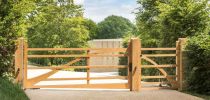
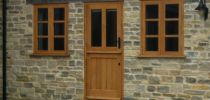
Air dried oak is best for external items such as gates, benches, balustrades, external joinery and glazing trims, where its moisture content is closer to that of the outside environment.
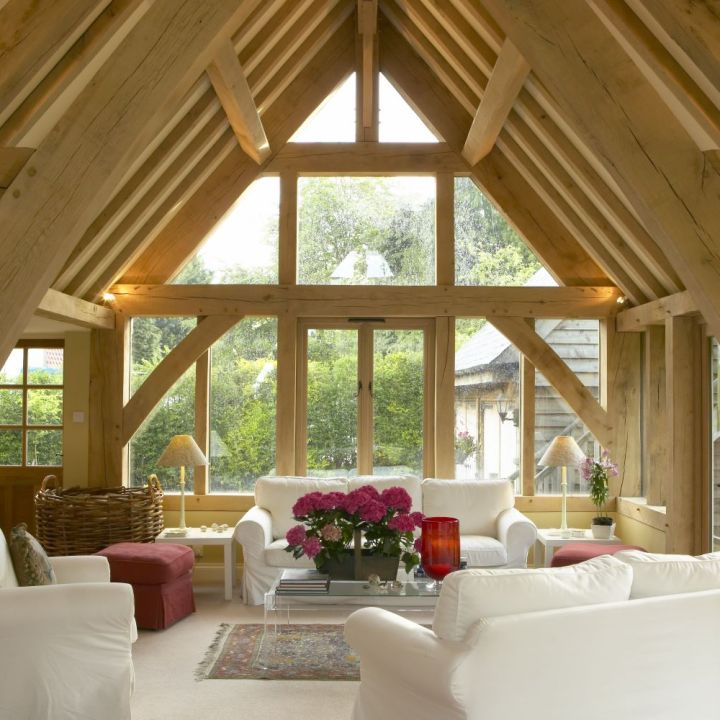
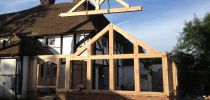
Fresh sawn or air dried oak is typically used for structural oak frames, where the timber will season in situ and a degree of natural movement and character is expected. Fresh sawn oak will shrink as it seasons, so the design must allow for this from the outset.
It’s not always clear cut, though. What about a south facing front door in a well heated home? One face is exposed to the weather while the other faces a warm, dry interior. In cases like this, get in touch and we’ll help you choose the best option.
Read more about this in our post: Air dried or kiln dried - which should I use?
4. Build tolerances in
We're not trying to teach you to suck eggs, but this is an important one too!
There will always be the likelihood of some seasonal movement so work out where you can build in some tolerance for this without compromising the integrity of the joints or structure in any way.
Remember that most movement happens across the width of a board rather than along its length. Wide boards and flat sawn sections move the most, so focus your allowances there. If you’re working with fresh sawn oak, expect significant shrinkage as it seasons and design for it from the start.
5. Use a recognised finish and apply it properly
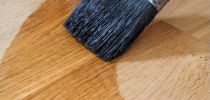
Select a well recognised finish and make sure it is applied well to all timber faces, before installation - leaving it until after the install not only risks a period of exposure with the timber untreated, but also means that the wall facing sides will not be sealed.
Here's a couple of finishes we recommend though we must make it clear that no finish will maintain its protection without regular maintenance as the manufacturer stipulates.
- External Osmo UV Protection Oil / Owatrol Deks Olje D1
- Internal Osmo Polyx Oil
If you do have to leave the finishing to the client / 3rd party, make it very clear that it must be fully applied before the joinery is exposed to the elements, and convey the importance of regular maintenance.
6. Make sure it's fitted correctly
We're not fitters, but we've seen a fair bit. You can get everything else right but if it's poorly fitted you can still have problems. Just a few tips:
- Make sure you're using the right fixings for the job - long enough, strong enough and stainless steel if exposed to any moisture, because the tannins in oak react with iron and steel to cause dark blue-black staining around the fixings.
- Work out the critical anchor points to hold it firm; then
- Build in tolerance for movement where you can. Any parts you can allow to move without it being noticed, are worth it. This can save joinery from pulling itself apart if it was to dry out excessively.
7. Be proactive: Follow up the client
Many people shy away from asking the client if they are pleased with the final outcome, for fear of drawing complaints they don't want to have to address. But a timely call a couple of weeks after install/completion goes a long way to reassure the customer they have made the right choice, gives you advance warning of any possible issues they may have noticed and also provides a good chance for you to check the finish has been applied correctly and remind them of the importance of maintenance.
A problem caught early is a lot easier to address, plus the fact you have made the call will build a lot of trust (and therefore patience) should anything go awry later on.
You're likely on your way to a satisfied, repeat customer!
8. Relax, you've done a great job!
If you follow all of these steps, you can be confident you’ve done everything possible to minimise movement. Some natural seasonal movement is part of oak’s character, but with the right timber, careful design, a good finish and correct fitting, it’s very unlikely to cause a problem.
We hope you've found this helpful; if you'd like to discuss a project/specific application then get in touch with our customer support team here.
Note: This article is by no means comprehensive, why not send your views and experiences to sales@hewinsoak.com and we'll consider them for updating this post.